
How to choose cookware by task
Material changes heat behaviour
Hard-anodised aluminium responds differently from layered stainless steel and glass. Triply cookware spreads heat through bonded layers, while glass is non-reactive but vulnerable to impact and sudden temperature change.
Use heat levels and utensils recommended for the material.
Capacity should match normal batches
A 3L pressure cooker fits many small-family recipes but may be inadequate for large meal prep. Leave the safe fill space specified for pressure cooking.
Kadhai diameter and casserole volume should match burner size and portions.
Compatibility and safety come first
Confirm gas, induction, oven and microwave suitability separately for every item and lid. Never assume a metal lid or handle is microwave safe.
Replace damaged pressure-cooker safety parts only with correct compatible components.
Quick comparison
| Product | Our pick for | Marketplace check | Details |
|---|---|---|---|
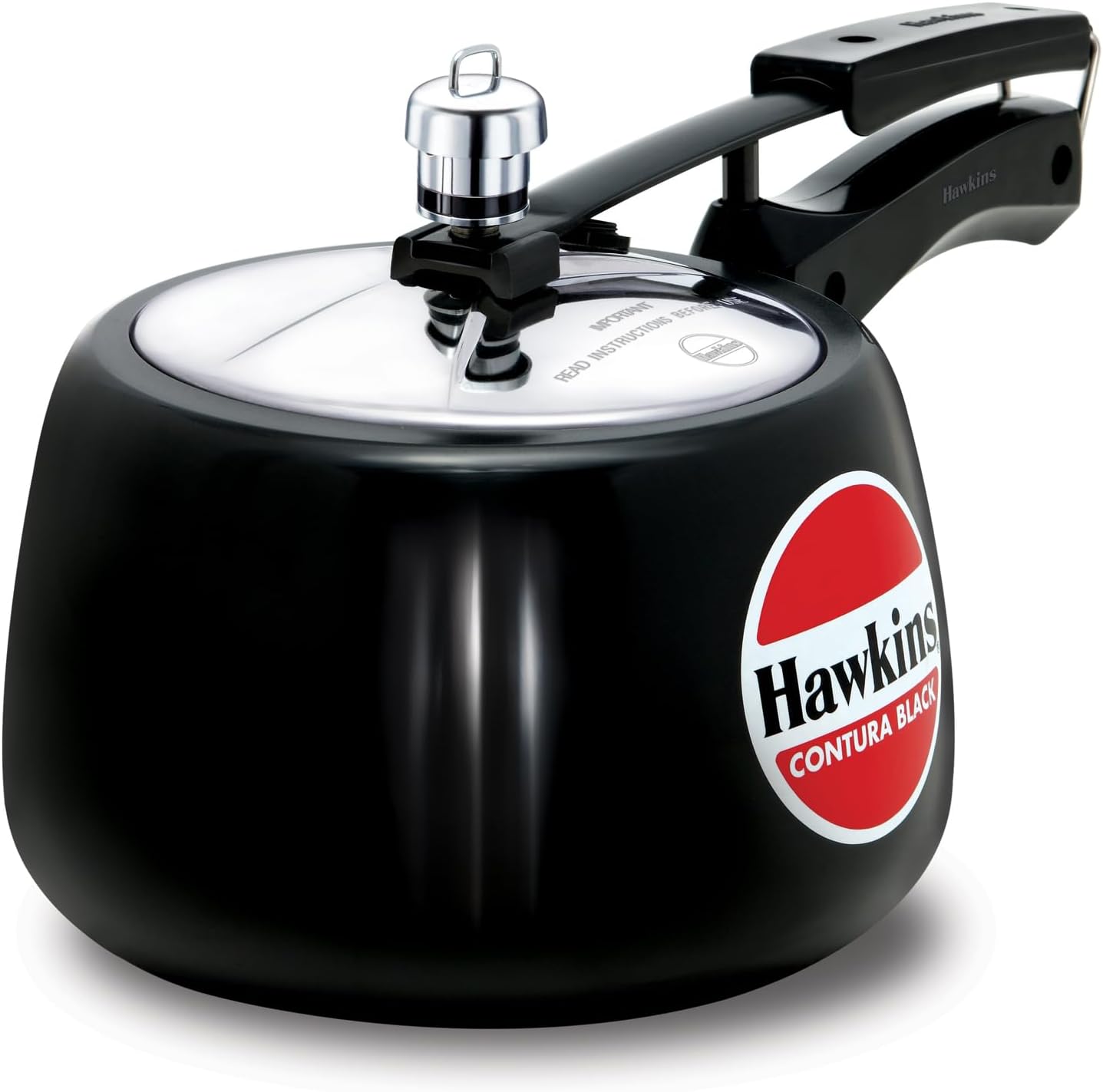 Hawkins Contura Black 3LHawkins | Best for pressure-cooked staples | 36,211 ratings | View details → |
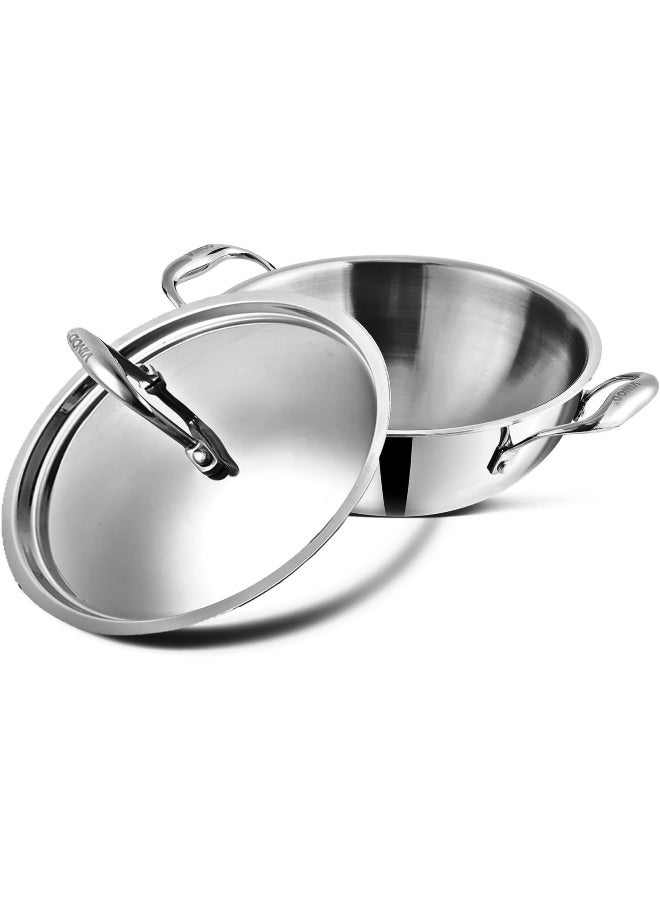 Vinod Platinum Triply KadhaiVinod | Best versatile stovetop pan | 8,553 ratings | View details → |
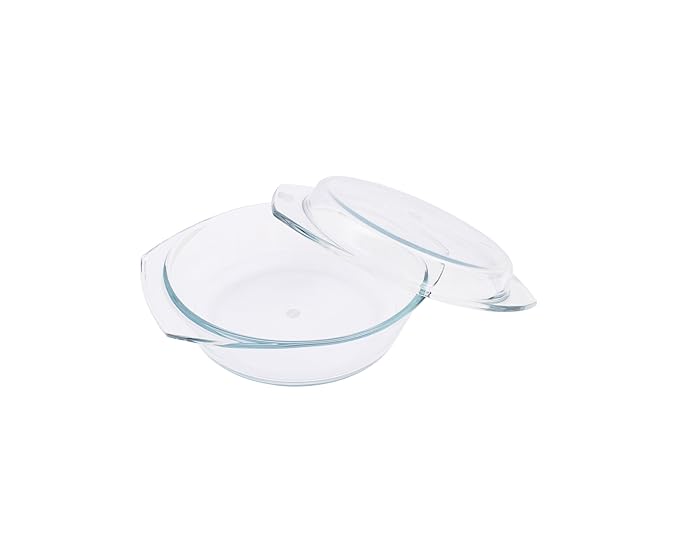 Borosil Glass CasseroleBorosil | Best for serve-and-reheat use | 1,980 ratings | View details → |
Ratings are marketplace snapshots and can change. Check the latest price, seller, variant, delivery and reviews on Amazon before buying.
Which one should you choose?
Best for pressure-cooked staples
Hawkins Contura Black 3L
A 3L hard-anodised cooker suits smaller households preparing dal, rice, vegetables and compact batches.
- 3-litre capacity
- Hard-anodised aluminium body
- Inner-lid safety design
Best versatile stovetop pan
Vinod Platinum Triply Kadhai
Triply stainless construction supports sautéing, gravies and frying with a durable non-coated cooking surface.
- Triply stainless-steel body
- Included lid
- Induction compatible
Best for serve-and-reheat use
Borosil Glass Casserole
Transparent glass suits compatible oven or microwave reheating and table serving when thermal-shock guidance is followed.
- 1.5-litre capacity
- Borosilicate glass
- Included glass lid
A practical buying checklist
- 01Match cookware type to the cooking method.
- 02Choose capacity for normal portions and safe fill levels.
- 03Confirm gas, induction, oven and microwave compatibility.
- 04Review handle, lid and weight comfort.
- 05Follow material-specific cleaning and thermal-shock guidance.
Helpful answers
Is triply stainless steel good for Indian cooking?
It can provide durable, even heating for curries, sautéing and frying, but temperature control and preheating technique matter.
Is a 3-litre pressure cooker enough?
It often suits one to three people or smaller batches, but recipe volume and safe fill limits determine suitability.
Can a glass casserole go from fridge to oven?
Avoid sudden temperature changes unless the exact manufacturer instructions permit them. Thermal shock can break glass.
Can all cookware work on induction?
No. The base must be induction compatible. Confirm the exact item rather than relying on material name alone.