
How to choose and use a home health monitor
Choose the measurement your clinician recommends
A blood-pressure monitor measures pressure in the arteries; a pulse oximeter estimates blood oxygen saturation and pulse. They answer different questions and one cannot replace the other.
Ask a qualified clinician which device, measurement schedule and thresholds are relevant to you rather than buying solely because a reading is easy to obtain.
Technique affects every reading
For blood pressure, rest first, sit with supported back and feet, use the correct cuff size and keep the arm supported. For oxygen saturation, keep the hand still and warm, remove interfering nail products where relevant and wait for a stable display.
Read and follow the exact device instructions. Record the time, symptoms and relevant circumstances rather than relying on one isolated number.
Know when the device is not enough
Home devices have limitations and may be affected by movement, poor circulation, cuff placement, irregular rhythms or other factors. Unexpected results should be repeated correctly and interpreted with professional guidance.
Seek urgent medical help for severe symptoms or when a clinician has told you a reading requires urgent action. Do not delay care while repeatedly testing.
Quick comparison
| Product | Our pick for | Marketplace check | Details |
|---|---|---|---|
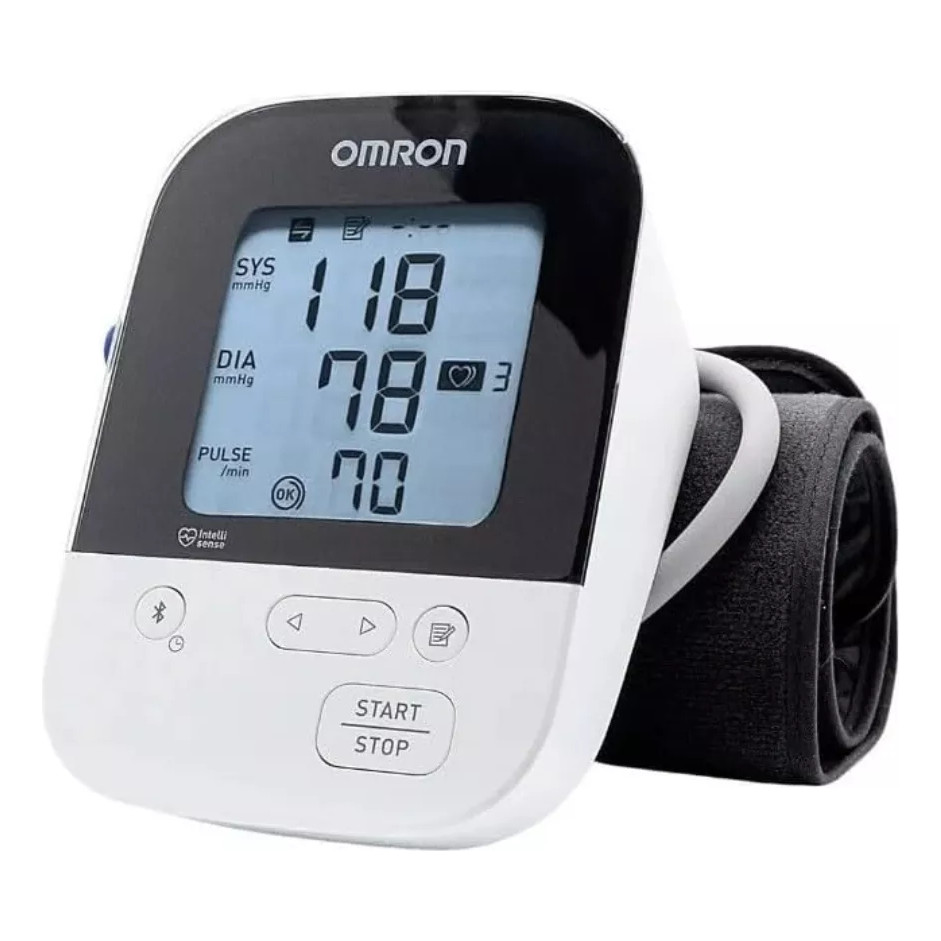 Omron HEM-7156TOmron | Best for blood-pressure tracking | 2,485 ratings | View details → |
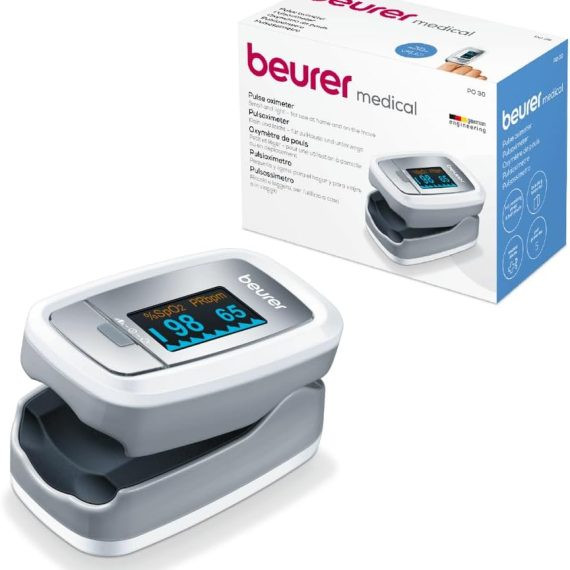 Beurer PO 30 OximeterBeurer | Best for oxygen spot checks | 21,990 ratings | View details → |
Ratings are marketplace snapshots and can change. Check the latest price, seller, variant, delivery and reviews on Amazon before buying.
Which one should you choose?
Best for blood-pressure tracking
Omron HEM-7156T
An automatic upper-arm design with cuff guidance suits adults recording blood-pressure trends under clinical advice.
- Upper-arm measurement
- Automatic inflation
- Cuff-wrap guidance
Best for oxygen spot checks
Beurer PO 30 Oximeter
The compact fingertip format displays oxygen saturation and pulse for people specifically advised to monitor those values.
- SpO2 measurement
- Pulse-rate display
- Compact fingertip design
A practical buying checklist
- 01Confirm which measurement and device type your clinician recommends.
- 02Check cuff or fingertip fit and the stated user range.
- 03Follow the same resting position and timing for trend measurements.
- 04Record readings instead of judging one isolated result.
- 05Know the symptom and reading thresholds for seeking medical help.
Helpful answers
Which BP monitor is best for home use?
A validated upper-arm automatic monitor with the correct cuff size is generally preferred for routine home tracking. Ask your clinician whether the exact model suits you.
Is a pulse oximeter the same as a BP monitor?
No. A pulse oximeter estimates oxygen saturation and pulse, while a BP monitor measures blood pressure.
Can home devices diagnose a medical condition?
No. They provide measurements that may support professional assessment, but diagnosis and treatment decisions belong with qualified clinicians.
Why do repeated readings differ?
Position, recent activity, stress, movement, temperature, cuff placement and normal biological variation can change readings. Follow the instructions and discuss persistent variation with a clinician.
When should I seek urgent medical help?
Seek urgent help for severe symptoms or according to the personalised thresholds given by your clinician. Do not rely on a normal-looking device reading when serious symptoms are present.